In today’s hyper-connected world, mastering CRM based communication isn’t just smart—it’s essential. Discover how businesses leverage customer data to build stronger relationships, boost engagement, and drive growth with precision and personalization.
Understanding CRM Based Communication

CRM based communication refers to the strategic use of Customer Relationship Management (CRM) systems to manage and enhance interactions with customers across multiple channels. It’s not just about storing contact details—it’s about creating meaningful, data-driven conversations that foster loyalty and increase conversion rates.




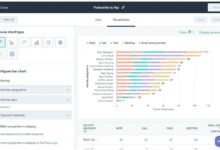

What Is CRM Based Communication?
At its core, CRM based communication is the integration of customer data, behavioral insights, and automated tools to deliver timely, relevant, and personalized messages. Whether it’s an email campaign, a support ticket response, or a targeted social media ad, CRM systems enable businesses to communicate with customers in a way that feels personal and intentional.
- It uses centralized customer data to inform messaging.
- It enables automation while maintaining a human touch.
- It tracks customer interactions across all touchpoints.
“CRM isn’t just software—it’s a strategy for building better relationships.” — Paul Greenberg, author of CRM at the Speed of Light
How CRM Systems Enable Effective Communication
Modern CRM platforms like Salesforce, Zoho CRM, and HubSpot CRM collect data from emails, calls, social media, website visits, and purchase histories. This data is then used to segment audiences, trigger automated workflows, and personalize outreach.
- Automated email sequences based on user behavior.
- Real-time notifications for sales reps when a lead engages.
- AI-powered suggestions for optimal follow-up times.
The Evolution of CRM and Communication Strategies
The journey of CRM based communication has evolved from simple contact lists to intelligent, AI-driven engagement platforms. Understanding this evolution helps businesses appreciate the full potential of modern CRM tools.
From Rolodex to Cloud: A Historical Overview
In the 1980s, businesses relied on physical address books and manual tracking. The 1990s introduced database marketing and early CRM software, allowing companies to store customer information digitally. By the 2000s, cloud-based CRMs emerged, making it easier for teams to access customer data remotely and in real time.
- 1980s: Manual tracking with paper-based systems.
- 1990s: On-premise CRM software with basic contact management.
- 2000s: Cloud-based platforms enabling remote access and collaboration.
The Rise of AI and Automation in CRM
Today, artificial intelligence and machine learning are transforming CRM based communication. Tools like chatbots, predictive analytics, and sentiment analysis allow businesses to anticipate customer needs and respond proactively.
- Chatbots handle routine inquiries 24/7, improving response times.
- Predictive lead scoring identifies high-value prospects automatically.
- Sentiment analysis detects customer emotions in emails and social media.
“AI in CRM is not about replacing humans—it’s about empowering them with better insights.” — Gartner Research
Key Components of Effective CRM Based Communication
To truly harness the power of CRM based communication, businesses must understand and implement its core components. These elements work together to create a seamless, personalized customer experience.
Centralized Customer Data Management
A unified customer profile is the foundation of effective CRM based communication. This profile includes contact information, purchase history, support tickets, website behavior, and communication preferences.
- Eliminates data silos across departments.
- Ensures consistency in messaging across channels.
- Reduces duplication and improves data accuracy.
Platforms like Microsoft Dynamics 365 integrate CRM with ERP systems, providing a 360-degree view of the customer.
Automated Workflows and Triggers
Automation is a game-changer in CRM based communication. Businesses can set up workflows that trigger actions based on specific customer behaviors—like sending a welcome email after a signup or assigning a sales rep when a lead downloads a whitepaper.
- Reduces manual workload for sales and marketing teams.
- Ensures timely follow-ups, increasing conversion chances.
- Improves customer experience through consistent engagement.
“Automation doesn’t make communication impersonal—it makes personalization at scale possible.”
Multi-Channel Integration
Customers interact with brands across email, phone, social media, live chat, and SMS. A robust CRM system integrates all these channels into a single interface, ensuring no message falls through the cracks.
- Enables omnichannel support and marketing.
- Tracks customer journeys across platforms.
- Provides context for every interaction, improving resolution times.
For example, if a customer tweets a complaint, the CRM logs it and alerts the support team, who can respond directly from the platform.
Benefits of CRM Based Communication for Businesses
Implementing CRM based communication offers tangible benefits across departments—from sales and marketing to customer service and executive leadership.
Improved Customer Retention and Loyalty
Personalized communication fosters stronger emotional connections with customers. When businesses remember preferences, celebrate milestones, and respond promptly, customers feel valued.
- Personalized birthday emails with discounts increase repeat purchases.
- Proactive support reduces churn rates.
- Segmented campaigns improve engagement by up to 70% (Source: Campaign Monitor).
“It costs 5x more to acquire a new customer than to retain an existing one.” — Harvard Business Review
Increased Sales Conversion Rates
CRM based communication helps sales teams prioritize leads, personalize outreach, and track engagement. With real-time insights, reps can tailor their approach to each prospect’s needs.
- Lead scoring identifies hot prospects for immediate follow-up.
- Email tracking shows when prospects open messages or click links.
- Integration with calendars ensures timely meetings and demos.
According to Nucleus Research, businesses see an average ROI of $8.71 for every dollar spent on CRM.
Enhanced Marketing Campaign Effectiveness
Marketing teams leverage CRM data to create hyper-targeted campaigns. Instead of blasting generic messages, they deliver content based on behavior, demographics, and past interactions.
- Drip campaigns nurture leads over time with relevant content.
- A/B testing optimizes subject lines and CTAs.
- Performance analytics show which campaigns drive the most conversions.
For instance, an e-commerce brand can send abandoned cart reminders with personalized product recommendations pulled from the CRM.
Implementing CRM Based Communication: A Step-by-Step Guide
Adopting CRM based communication requires more than just installing software. It demands a strategic approach to data, people, and processes.
Step 1: Define Your Communication Goals
Before selecting a CRM, clarify what you want to achieve. Are you aiming to reduce response times? Increase email open rates? Improve cross-selling?
- Set SMART goals (Specific, Measurable, Achievable, Relevant, Time-bound).
- Align CRM objectives with overall business strategy.
- Involve stakeholders from sales, marketing, and support.
Step 2: Choose the Right CRM Platform
Not all CRMs are created equal. Evaluate options based on scalability, integration capabilities, ease of use, and budget.
- Salesforce: Best for large enterprises with complex needs.
- HubSpot CRM: Ideal for small to mid-sized businesses seeking user-friendliness.
- Zoho CRM: Offers strong automation at a competitive price.
Consider free trials and request demos to test usability.
Step 3: Migrate and Clean Your Data
Poor data quality undermines CRM effectiveness. Deduplicate records, update outdated information, and standardize formats before migration.
- Use data cleansing tools like Trillium Software.
- Validate email addresses and phone numbers.
- Map legacy data fields to the new CRM structure.
Step 4: Train Your Team
Even the best CRM fails without proper adoption. Provide comprehensive training and ongoing support.
- Host hands-on workshops and webinars.
- Create user guides and video tutorials.
- Appoint internal CRM champions to assist colleagues.
“User adoption is the single biggest factor in CRM success.” — CIO Magazine
Step 5: Monitor, Optimize, and Scale
After implementation, continuously analyze performance metrics and refine strategies.
- Track KPIs like response time, conversion rate, and customer satisfaction (CSAT).
- Gather feedback from users and customers.
- Scale automation and segmentation as data grows.
Regular audits ensure the CRM evolves with your business needs.
Common Challenges in CRM Based Communication and How to Overcome Them
Despite its benefits, CRM based communication comes with challenges. Recognizing these pitfalls early can prevent costly mistakes.
Data Silos and Integration Issues
When departments use separate tools (e.g., marketing uses Mailchimp, sales uses a standalone CRM), data becomes fragmented, leading to inconsistent messaging.
- Solution: Choose a CRM with open APIs for seamless integration.
- Use middleware like Zapier or MuleSoft to connect disparate systems.
- Establish a single source of truth for customer data.
Low User Adoption
Employees may resist using a new CRM due to complexity or lack of training.
- Solution: Involve users in the selection process.
- Highlight time-saving benefits and gamify usage.
- Provide ongoing support and recognize top performers.
Over-Automation and Impersonal Messaging
While automation saves time, excessive use can make communication feel robotic and generic.
- Solution: Balance automation with personal touches—use merge tags for names, reference past purchases, and allow manual overrides.
- Regularly audit automated messages for tone and relevance.
- Use AI to suggest responses, but let humans finalize them.
“The best CRM strategies blend technology with empathy.”
Future Trends in CRM Based Communication
The future of CRM based communication is shaped by emerging technologies and shifting customer expectations. Staying ahead of these trends ensures long-term competitiveness.
AI-Powered Predictive Engagement
Next-generation CRMs will predict customer needs before they arise. For example, if a user frequently buys printer ink every three months, the system can automatically send a reorder reminder.
- Machine learning analyzes historical behavior to forecast actions.
- Proactive outreach increases convenience and loyalty.
- Reduces customer effort in initiating contact.
Voice and Conversational AI Integration
With the rise of voice assistants like Alexa and Google Assistant, CRM systems are integrating voice-based interactions.
- Customers can check order status via voice commands.
- Call centers use AI to transcribe and analyze conversations in real time.
- Voice search optimization becomes crucial for CRM content.
Hyper-Personalization with Real-Time Data
Future CRM systems will deliver messages based on real-time context—like location, weather, or current activity.
- A retail app sends a discount when a customer walks near a store.
- A travel CRM suggests last-minute deals based on browsing behavior.
- Dynamic content adjusts in emails based on live data feeds.
According to MarketsandMarkets, the global CRM market is projected to reach $128.9 billion by 2028, driven by AI and personalization.
What is CRM based communication?
CRM based communication is the use of Customer Relationship Management systems to manage, automate, and personalize interactions with customers across various channels, leveraging data to improve engagement and business outcomes.
How does CRM improve customer communication?
CRM improves communication by centralizing customer data, enabling personalized messaging, automating follow-ups, and integrating multiple communication channels into a unified platform for consistent and timely interactions.
What are the best CRM tools for communication?
Top CRM tools for communication include Salesforce, HubSpot CRM, Zoho CRM, Microsoft Dynamics 365, and Pipedrive, each offering robust features for email, automation, and multi-channel engagement.
Can small businesses benefit from CRM based communication?
Yes, small businesses can significantly benefit from CRM based communication by improving customer retention, streamlining marketing efforts, and increasing sales efficiency—even with affordable or free CRM solutions.
Is CRM based communication secure?
Reputable CRM platforms employ advanced security measures like encryption, multi-factor authentication, and compliance with GDPR and CCPA to ensure customer data privacy and protection.
CRM based communication is no longer a luxury—it’s a necessity for businesses aiming to thrive in a customer-centric world. From understanding its core components to overcoming implementation challenges and embracing future trends, organizations that leverage CRM strategically gain a powerful competitive edge. By centralizing data, automating workflows, and personalizing interactions, companies can build deeper relationships, boost conversions, and deliver exceptional customer experiences. The key lies in choosing the right tools, training teams effectively, and continuously optimizing based on data. As technology evolves, so too will the possibilities for smarter, more human-centered communication. The future of business growth is not just in selling more—it’s in connecting better.
Further Reading: