Looking to scale your sales without the overhead? A commission based sales agency might be the game-changer you’ve been searching for. It’s lean, performance-driven, and built for results—perfect for startups and growing businesses alike.
What Is a Commission Based Sales Agency?

A commission based sales agency is a third-party organization or individual that sells products or services on behalf of a company, earning income solely through commissions tied to successful sales. Unlike traditional sales teams, they don’t receive a fixed salary—only a percentage of the revenue they generate. This model aligns incentives perfectly: the agency wins when you win.





How It Differs From Traditional Sales Teams
Traditional in-house sales teams come with fixed costs—salaries, benefits, training, and office space. In contrast, a commission based sales agency operates on a variable cost model. You pay only when a sale is made. This makes it a highly scalable and cost-efficient option, especially for early-stage companies or those entering new markets.
- Lower upfront investment
- No long-term employment contracts
- Flexible scaling based on performance
Types of Commission Structures
Not all commission models are the same. The structure can vary significantly depending on the industry, product complexity, and sales cycle. Common models include:
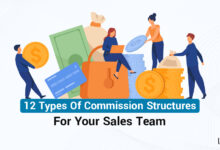
- Flat Rate Commission: A fixed percentage per sale (e.g., 10% on every deal).
- Tiered Commission: Higher percentages for exceeding sales targets.
- Residual Commission: Ongoing payments for recurring revenue (common in SaaS or subscription services).
- Hybrid Models: A small base retainer plus commission to ensure commitment.
Choosing the right structure is crucial for motivating the agency while protecting your margins. For more insights, check out the Salesforce guide on commission models.
Why Choose a Commission Based Sales Agency?
The appeal of a commission based sales agency lies in its performance-first philosophy. You’re not paying for effort—you’re paying for results. This creates a high-motivation environment where the agency is incentivized to close deals and grow your revenue.
Cost Efficiency and Scalability
One of the biggest advantages is cost control. Instead of hiring a full sales team with salaries averaging $60,000–$100,000 per year, you can engage a commission based sales agency for a fraction of the cost. You only pay when they deliver. This is especially valuable for startups or small businesses with limited capital.
Moreover, scaling up or down becomes effortless. Need to enter a new market? Add a specialized agent. Sales slow down? Reduce activity without layoffs. This agility is a competitive edge in fast-moving industries.
Access to Expert Sales Talent
Top commission based sales agencies often employ seasoned professionals with deep industry knowledge and proven track records. These agents are motivated by performance and typically specialize in specific niches—B2B tech, real estate, SaaS, or medical devices.
For example, an agency focused on enterprise software sales will have reps who understand complex procurement cycles, C-level objections, and integration concerns. This expertise reduces your onboarding time and increases close rates. According to a CSO Insights report, companies using specialized sales partners see up to 25% higher win rates.
“When you pay for performance, you attract performers.” — Sales Strategy Expert, Lisa McLeod
Key Industries Using Commission Based Sales Agencies
The commission based sales agency model is not one-size-fits-all. It thrives in industries where sales cycles are predictable, margins are healthy, and relationships matter. Let’s explore the top sectors leveraging this model.
Technology and SaaS
The SaaS industry is a natural fit for commission based sales agencies. With recurring revenue models, agencies can earn residual commissions, creating long-term partnerships. Many startups use external sales reps to validate their go-to-market strategy before building an internal team.
For instance, a CRM startup might partner with a sales agency to target small law firms. The agency handles outreach, demos, and closing, earning 15–20% on each annual contract. This allows the startup to focus on product development while scaling sales.
Real Estate and Property Development
In real estate, commission based sales agencies are the norm. Whether selling luxury condos or commercial properties, developers hire agencies to market units and close buyers. Commissions typically range from 3% to 10%, depending on the project.
These agencies often have access to exclusive buyer networks and marketing channels, accelerating time-to-sale. A well-connected agent can move inventory 30–50% faster than a developer selling directly.
Healthcare and Medical Devices
Selling medical equipment or pharmaceuticals requires deep regulatory knowledge and relationships with hospitals and clinics. Commission based sales agencies in this space employ reps with clinical backgrounds or prior healthcare sales experience.
For example, a company launching a new diagnostic device might partner with a specialized agency to navigate FDA compliance discussions and physician objections. The commission—often 10–15%—is justified by the complexity and high average deal size.
How to Choose the Right Commission Based Sales Agency
Not all agencies are created equal. Picking the wrong partner can waste time, damage your brand, or lead to poor customer experiences. Here’s how to find the right fit.
Define Your Sales Goals and KPIs
Before approaching any agency, clarify your objectives. Are you looking to enter a new geographic market? Launch a new product? Increase market share? Your goals will determine the type of agency you need.
Set clear KPIs such as:
- Number of qualified leads per month
- Conversion rate from lead to sale
- Average deal size
- Customer acquisition cost (CAC)
Agencies that align with your KPIs are more likely to deliver results.
Evaluate Industry Experience and Track Record
Ask potential agencies for case studies, client references, and performance data. A reputable commission based sales agency should be transparent about past successes and challenges.
Look for:
- Years of experience in your industry
- Client retention rate
- Testimonials from similar businesses
- Proof of closed deals (with anonymized data if needed)
Don’t hesitate to conduct a trial period or pilot campaign before signing a long-term contract.
Assess Communication and Reporting Standards
Even though they’re external, your sales agency should feel like an extension of your team. Regular communication, detailed reporting, and CRM integration are essential.
Ask about their reporting tools—do they use Salesforce, HubSpot, or custom dashboards? Can they provide weekly performance updates? Agencies that invest in transparency are more accountable and easier to manage.
Common Challenges and How to Overcome Them
While the benefits are significant, working with a commission based sales agency isn’t without risks. Being aware of potential pitfalls helps you mitigate them early.
Lack of Brand Alignment
Since the agency isn’t your employee, they may not fully understand your brand voice, values, or customer experience standards. This can lead to inconsistent messaging or aggressive sales tactics that harm your reputation.
Solution: Provide comprehensive onboarding, including brand guidelines, product training, and customer personas. Require approval for marketing materials and scripts. Regular check-ins ensure alignment.
High Turnover of Sales Reps
Some agencies rotate reps frequently, leading to inconsistent customer relationships. A prospect might speak to three different agents in a month, causing confusion and frustration.
Solution: Choose agencies that assign dedicated account managers. Ask about their internal retention rates. A stable team reflects a healthy agency culture.
Conflicts of Interest
If the agency represents competing brands, they might prioritize higher-commission products over yours. This is especially risky in saturated markets.
Solution: Include exclusivity clauses in your contract. Ensure the agency commits to your product line and doesn’t represent direct competitors. Perform periodic audits.
Legal and Contractual Considerations
A solid contract protects both parties and sets clear expectations. Never start a partnership without a formal agreement.
Essential Contract Clauses
Your contract should cover:
- Commission Rate and Payment Terms: When and how commissions are paid (e.g., net-30 after customer payment).
- Sales Territory: Define geographic or market boundaries to avoid overlap.
- Lead Ownership: Clarify who owns leads generated by the agency—especially after the contract ends.
- Non-Compete and Exclusivity: Prevent the agency from selling similar products.
- Termination Clause: Conditions under which either party can end the agreement.
For a template, refer to the Nolo guide on sales rep agreements.
Intellectual Property and Data Rights
Ensure your brand assets (logos, presentations, product info) remain your property. Also, specify data ownership—customer lists, CRM entries, and communication history should be returned or deleted upon termination.
GDPR and CCPA compliance is critical if you operate in Europe or California. The agency must handle personal data responsibly.
Future Trends in Commission Based Sales Agencies
The sales landscape is evolving, and commission based sales agencies are adapting with new technologies and strategies.
Rise of Niche and Vertical-Specific Agencies
Generalist agencies are losing ground to specialists. Today, you can find agencies focused solely on fintech, renewable energy, or e-learning platforms. This specialization leads to deeper market knowledge and better results.
For example, a Gartner study found that vertical-specific sales teams achieve 35% higher customer satisfaction due to industry-specific expertise.
Integration of AI and Sales Automation
Top commission based sales agencies now use AI-powered tools for lead scoring, email personalization, and predictive analytics. These technologies help reps focus on high-potential prospects and reduce manual work.
Chatbots, CRM integrations, and automated follow-ups enhance efficiency without sacrificing the human touch. Agencies that embrace these tools close deals 20–30% faster, according to McKinsey research.
Global Expansion Through Remote Sales Networks
With remote work on the rise, commission based sales agencies can operate across borders. Companies are leveraging global networks to enter international markets without setting up local offices.
For instance, a U.S.-based software company can partner with an agency in Germany to sell to DACH region clients. The agency handles localization, compliance, and sales—while you retain control over pricing and branding.
Success Stories: Companies That Scaled With Commission Based Sales Agencies
Real-world examples demonstrate the power of this model. Let’s look at a few standout cases.
Case Study: SaaS Startup Grows 300% in 12 Months
A B2B project management tool with a small internal team struggled to scale sales. They partnered with a commission based sales agency specializing in tech startups. The agency deployed five reps, each focusing on a specific vertical (agencies, construction, legal).
Within a year, the startup’s revenue grew by 300%, with the agency responsible for 70% of new customers. The cost per acquisition dropped by 40% compared to previous digital ad campaigns.
Case Study: Medical Device Company Enters European Market
A U.S. medical device manufacturer wanted to expand into Europe but lacked local presence. They hired a commission based sales agency with established relationships in German hospitals.
The agency handled regulatory discussions, product demos, and negotiations. In 18 months, the company secured contracts with 12 major clinics, generating €2.3M in revenue. The agency earned a 12% commission, a fraction of the cost of opening a European office.
Case Study: Real Estate Developer Sells Out Condo Project
A luxury condo developer in Miami faced slow sales despite heavy marketing. They engaged a high-end commission based sales agency with a network of international investors.
The agency launched a targeted campaign in Canada and the UK, offering virtual tours and financing options. Within six months, 95% of units were sold, with an average 8% commission paid. The developer saved over $1.2M in unsold inventory carrying costs.
What is a commission based sales agency?
A commission based sales agency is a third-party organization that sells products or services for a company, earning income only through commissions on closed deals. They do not receive a base salary, making them a cost-effective, performance-driven sales solution.
How much do commission based sales agencies charge?
Commission rates vary by industry and product type, typically ranging from 5% to 20%. High-ticket or complex sales (e.g., enterprise software) may command higher rates, while simpler products may have lower percentages. Some agencies also charge a small retainer.
Are commission based sales agencies worth it?
Yes, for many businesses—especially startups, growing companies, or those entering new markets. They offer scalability, access to expertise, and lower risk. However, success depends on choosing the right agency and maintaining strong communication and oversight.
How do I find a reliable commission based sales agency?
Start by researching agencies in your industry, reading reviews, and asking for referrals. Look for case studies, client testimonials, and transparent reporting practices. Consider running a short pilot campaign to test performance before committing long-term.
Can I use multiple commission based sales agencies at once?
Yes, but with caution. Using multiple agencies can increase coverage, but it may lead to channel conflict, lead disputes, or brand inconsistency. Clearly define territories and responsibilities in contracts to avoid overlap.
Partnering with a commission based sales agency can be a strategic move to accelerate growth without the burden of fixed costs. From cost efficiency and access to expert talent to global scalability, the benefits are compelling. However, success requires careful selection, clear contracts, and ongoing collaboration. When done right, this model empowers businesses to scale smarter, faster, and with less risk. Whether you’re launching a new product or expanding internationally, a performance-driven sales partner could be the catalyst you need.
Further Reading:
